Buying guide
Best Lightweight Induction Cookware for Seniors: Easy-Lift Pans That Still Heat Evenly
Best Lightweight Induction Cookware for Seniors is a practical question because induction cooking changes how cookware performs. The cooktop does not simply heat a burner and wait for the pan to catch up. It uses magnetic energy, so the material, base shape, thickness, and construction of the cookware decide whether the cooking experience feels precise or frustrating.

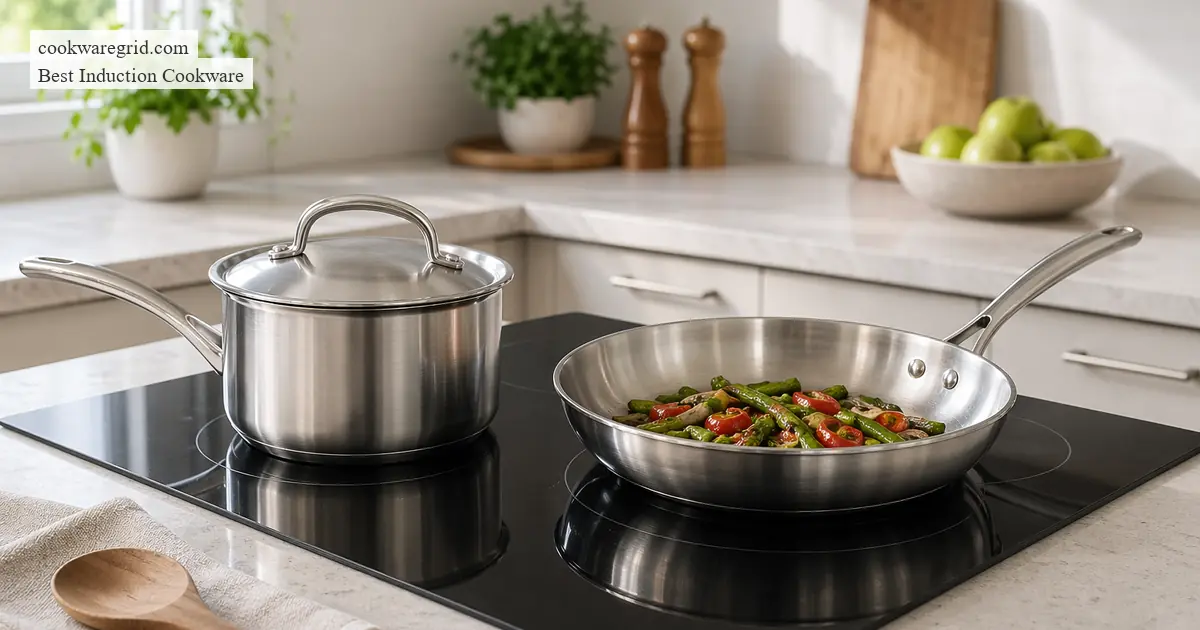
Best Lightweight Induction Cookware for Seniors is a practical question because induction cooking changes how cookware performs. The cooktop does not simply heat a burner and wait for the pan to catch up. It uses magnetic energy, so the material, base shape, thickness, and construction of the cookware decide whether the cooking experience feels precise or frustrating.
This guide answers the search intent behind "best lightweight induction cookware for seniors" with a cookware-first lens. It focuses on ferromagnetic response, thermal conductivity, even heat distribution, warp resistance, PTFE-free or coated surfaces where relevant, and the real kitchen details that affect searing, simmering, cleaning, and glass-cooktop safety. Lightweight cookware for seniors should reduce lift strain without becoming so thin that it warps or buzzes on induction.
For a broader look at complete sets, compare our guide to the top rated induction cookware. The goal is not to chase marketing labels; it is to understand which cookware traits actually matter on induction and how to make a smarter purchase or troubleshooting decision.
Buying Guides
Best Lightweight Induction Cookware for Seniors: What to Look For First
Magnetic Base Quality
When shopping for best lightweight induction cookware for seniors, start with compatibility and ergonomics. The pan needs a strong magnetic base, a flat bottom, and enough surface area to match your induction burner. After that, evaluate weight, handle comfort, oven limits, lid fit, and whether the cookware is stainless, cast iron, carbon steel, ceramic, or hybrid nonstick. Helper handles, balanced grip, and stable bases matter as much as total weight.
The strongest induction cookware is not always the heaviest or most expensive. It is the cookware that fits the burner, responds predictably, and suits the way the user cooks. A senior cook may prefer lighter clad stainless. A stir-fry cook may prefer flat-bottom carbon steel. A small apartment cook may need compact pieces that work on a portable induction burner.
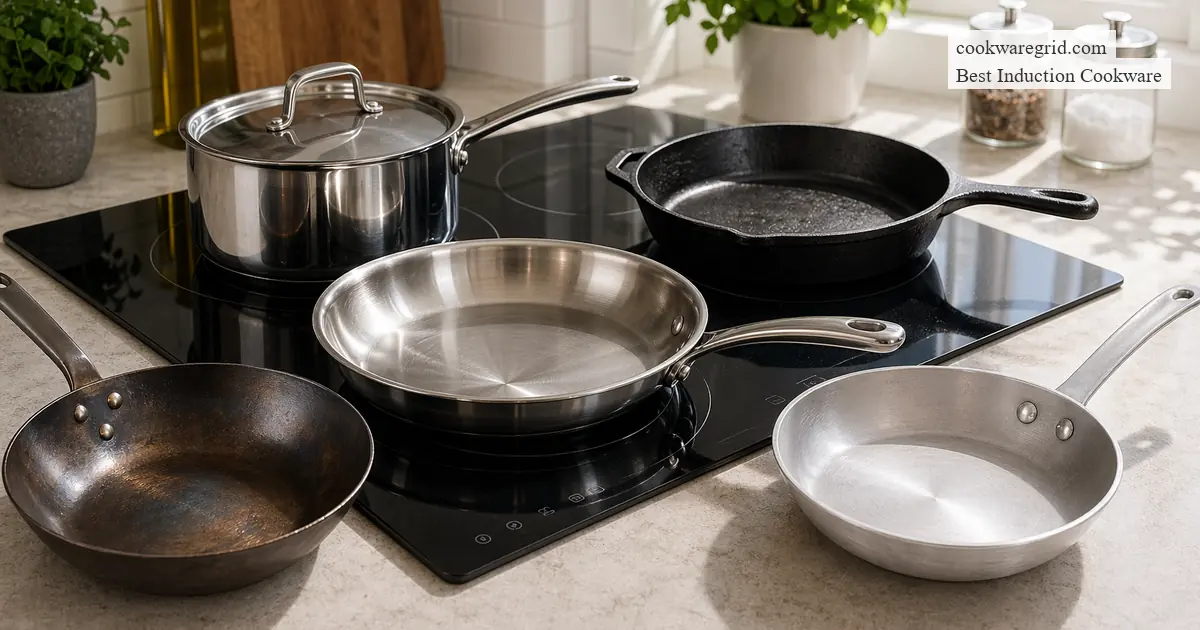
Shape, Weight, and Handle Control
Look for real construction language: magnetic stainless exterior, 18/0 stainless base, aluminum core, 5-ply, tri-ply, hard-anodized body with induction plate, PTFE-free ceramic coating, or carbon steel. Vague induction labels are less useful than specific material descriptions.
- Firm magnet response across the base.
- Flat bottom with no rocking.
- Base diameter that matches your burner.
- Comfortable handle and manageable weight.
Buying Guides
Best Materials and Construction for Lightweight Induction Cookware for Seniors
Stainless, Carbon Steel, and Cast Iron
Clad stainless steel is the safest all-around choice because it can sear, simmer, deglaze, and handle acidic foods. A magnetic stainless exterior activates induction while aluminum or copper inside improves thermal conductivity and even heat distribution. It is not nonstick, but it is durable and versatile.
Carbon steel and cast iron are excellent for high-heat tasks. They are naturally magnetic and develop seasoning over time. Cast iron stores heat better but is heavier. Carbon steel is lighter and more responsive, making it appealing for woks and frying pans. Both should be lifted rather than dragged across glass. Heavy cast iron may be unsafe or tiring even though it works well magnetically.
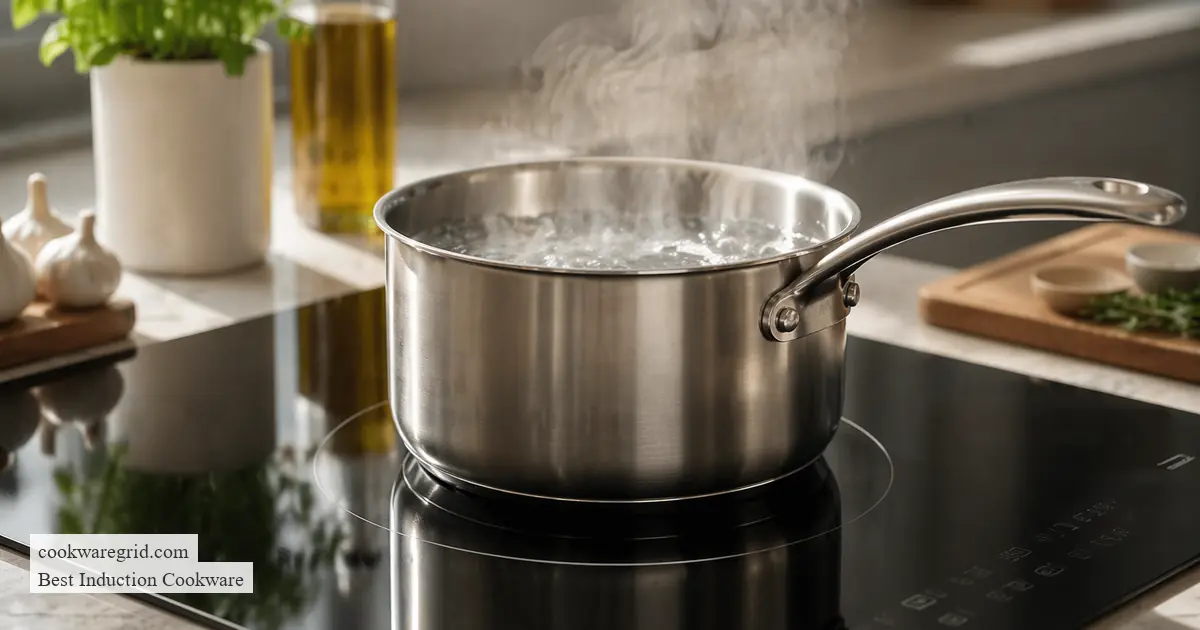
Nonstick and PTFE-Free Ceramic Options
Nonstick and PTFE-free ceramic cookware can be useful for eggs, fish, and lower-oil cooking. The key is ensuring the base is genuinely induction ready. A coating may make food release easier, but the magnetic base determines whether the pan performs on induction.
- Stainless: best overall durability.
- Carbon steel: best responsive high-heat work.
- Cast iron: best heat retention.
- Ceramic or hybrid nonstick: best easy release.
Buying Guides
How CookwareGrid Evaluates Lightweight Induction Cookware for Seniors
Compatibility and Heat Pattern
A useful test begins with the magnet. The base should attract the magnet firmly and evenly. Then the pan should sit flat on the cool cooktop without rocking. A water boil test measures power transfer, but a flour browning test or pancake test reveals more about even heat distribution.
For skillets and woks, we would test oil movement, browning patterns, handle heat, balance, and how easily food releases or develops fond. For saucepans, we would test simmer control, pouring, lid fit, and whether oatmeal or milk scorches in the center. For lightweight cookware, we would test whether lower weight compromises stability.
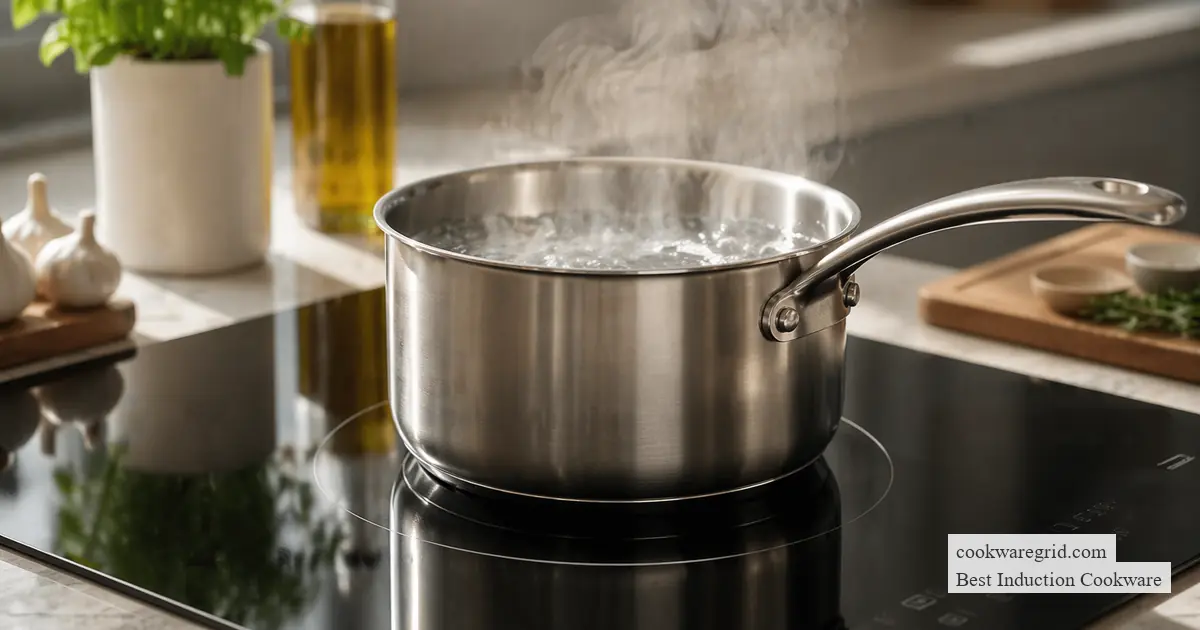
Handling, Cleaning, and Durability
Cleaning is part of performance. Stainless should release browned bits after deglazing and clean without permanent staining. Carbon steel should season predictably. Nonstick should clean gently without the user needing abrasive pads. Any cookware that warps after repeated heating loses points because induction depends on base contact. Prioritize easy-lift clad stainless and manageable nonstick pieces.
- Magnet test first.
- Flatness test before cooking.
- Browning test for heat distribution.
- Repeated heating to check warp resistance.
Buying Guides
Who Should Buy Lightweight Induction Cookware for Seniors?
Best Use Cases
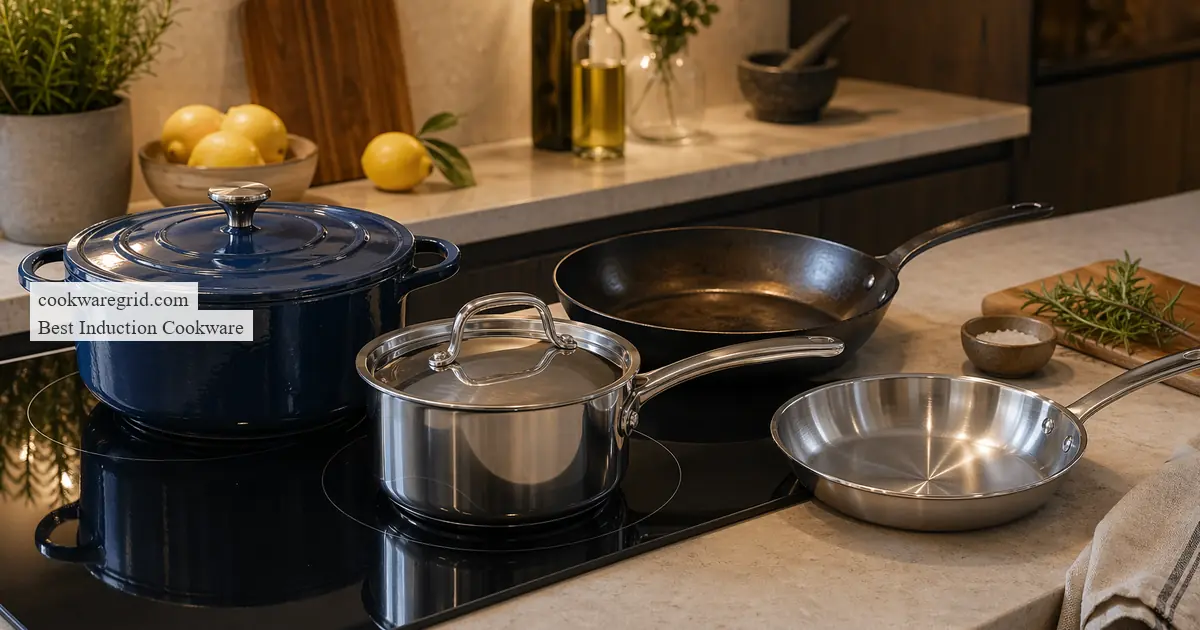
The right lightweight induction cookware for seniors should match the way you actually cook. The best choice should reduce friction in the kitchen: easier lifting, faster boiling, cleaner release, better searing, safer glass-top handling, or more compact storage. Best for accessibility-focused buyers.
Choose stainless when you want durability and range. Choose carbon steel or cast iron when browning is the priority. Choose nonstick when easy release matters more than maximum searing. Choose lightweight pieces when comfort and safety matter more than heavy heat retention.
When to Choose Something Else
Avoid buying on piece count alone. A smaller set of induction-compatible pieces with better bases will outperform a large set of thin pans. If a pan does not pass the magnet test, does not sit flat, or has a base too small for your burner, skip it.
- Best for daily use: durable clad stainless.
- Best for delicate foods: induction nonstick.
- Best for searing: carbon steel or cast iron.
- Best for small spaces: compact multi-use pieces.
FAQ
Best Lightweight Induction Cookware for Seniors: Easy-Lift Pans That Still Heat Evenly FAQ
Concise answers for cooks comparing induction cookware materials, troubleshooting pan behavior, or preparing to buy better magnetic cookware.
What should I prioritize before buying this kind of induction cookware?
Start with a flat magnetic base, strong burner contact, weight you can handle comfortably, and construction that matches the way you cook, whether that means stainless, carbon steel, cast iron, or nonstick.
Which material is usually the best fit for this category?
There is no universal winner. Clad stainless is the most versatile, carbon steel and cast iron excel at searing, and induction-ready nonstick or ceramic pans help with delicate low-stick cooking.
How can I tell whether a pan will perform well on my cooktop?
Use the magnet test first, then check base diameter, flatness, and construction details such as fully clad layers or a thick induction-ready base. For a wider benchmark, see our best induction cookware guide.
About Leamon Warner
Leamon Warner is a kitchen expert, researcher, and founder of CookwareGrid with more than 25 years of experience in the kitchen and home-goods industry. His background includes work with LG, Lamacom Group, and Fleur Metal, alongside cookware research, product testing, and conversations with industry experts. He created CookwareGrid to turn that experience into clear, practical advice for home cooks.